
Table of contents
Why Cavities Happen
Situations That Make Cavities More Likely
Age-Specific Causes and Characteristics of Cavities
Early Signs of Cavities
How to Prevent and Manage Cavities
Conclusion
Cavities, or dental caries, are one of the most common dental problems chances are you’ve dealt with them at least once.
But the good news? Understanding why cavities happen and taking a few preventive steps can help you keep your teeth healthy for years to come.
In this post, we’ll break down the causes of cavities, the situations that make them more likely, prevention tips, and early warning signs to watch for.
Why Cavities Happen
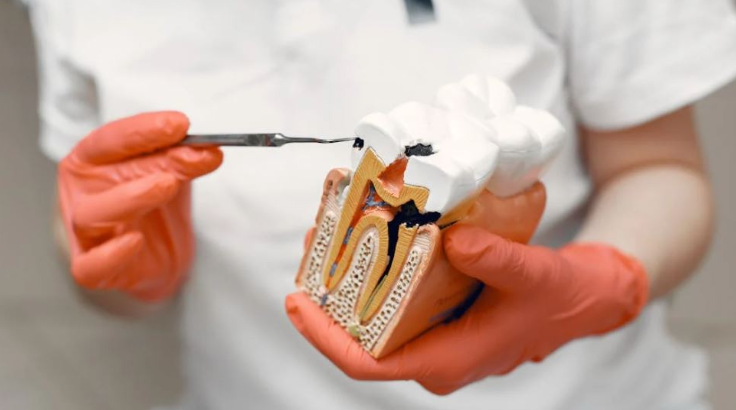
Cavities occur when bacteria in your mouth mix with food particles and produce acids that gradually wear down tooth enamel. Frequent consumption of sugary snacks or fizzy drinks speeds up this process, giving cavity-causing bacteria more fuel to damage your teeth.
Main Causes of Cavities:
- Food particles left stuck between teeth
- Frequent sugary snacks or sodas
- Inconsistent or improper brushing
- Low saliva production, which reduces your mouth’s natural cleaning ability
Situations That Make Cavities More Likely
Some environments or habits can make your teeth more vulnerable to decay:
- Poor oral hygiene: Brushing less than twice a day or skipping floss allows bacteria to multiply.
- Dry mouth: Saliva helps neutralize acids and wash away bacteria. A dry mouth can increase cavity risk.
- Crowded or uneven teeth (including braces): Hard-to-reach spots trap food more easily.
- Skipping brushing before bed: Saliva production drops while you sleep, giving bacteria the perfect opportunity to act.

Age-Specific Causes and Characteristics of Cavities
● Infants & Children (0–12 years)
- High consumption of sugary treats, jelly, and juice
- Deep grooves in molars that trap food
- Nighttime bottle feeding without brushing afterward
→ Prevention tips: Sealants, fluoride treatments
● Adolescents (13–19 years)
- Lots of soda and snacks; braces can make brushing tricky
- Irregular schedules and skipping bedtime brushing
→ Prevention tips: Regular dental check-ups and orthodontic hygiene
● Adults (20–59 years)
- Busy lifestyles often lead to skipped brushing, plus smoking, alcohol, and stress affect oral health
- Increased coffee and snacking → root surface cavities are common
→ Prevention tips: Use fluoride toothpaste and mouthwash regularly
● Seniors (60+ years)
- Reduced saliva, gum disease, exposed roots
- Dentures or implants can make hygiene more difficult
→ Prevention tips: Early detection and management of root cavities are essential
Early Signs of Cavities
Cavities often develop quietly, but these signs may indicate a problem:
- Tooth sensitivity to cold drinks or sweets
- Food frequently getting stuck in certain areas
- Rough or darkened tooth surfaces
- Persistent bad breath without obvious cause
Don’t ignore these signals—catching cavities early can save you from more extensive dental work later.
How to Prevent and Manage Cavities
- Brush properly
Brush for at least 3 minutes, ideally within 3 minutes after eating. Don’t skip brushing before bed! - Use floss and mouthwash
Flossing and rinsing help clean places your toothbrush can’t reach, reducing cavity risk. - Limit sugary foods and drinks
Sugary snacks fuel cavity-causing bacteria, so cutting back really helps. - Use fluoride toothpaste
Fluoride strengthens enamel and makes it more resistant to acid. Brush at least twice a day. - Consider sealants
Protective coatings for deep grooves in molars prevent trapped food—great for kids and teens. - Schedule regular dental check-ups
Cavities can be hard to spot early. Visiting your dentist every six months is ideal.
Conclusion
Cavities may sneak up quietly, but if left untreated, they can lead to root canals or even tooth extraction.
By practicing good brushing habits, using fluoride products, and staying on top of regular dental visits, cavities can be prevented.
Start today—your teeth will thank you!
👇 한국어 버전 보기!
충치 원인과 예방법, 연령별 특징까지 한눈에 보기 [치과 꿀팁]
목차(contents)1. 충치가 생기는 이유 2. 충치가 생기기 쉬운 환경 3. 연령대별 충치 원인과 특징 3-1. 유아·어린이 (0~12세) 3-2. 청소년 (13~19세) 3-3. 성인 (20~59세) 3-4. 고령층 (60세 이상) 4. 충치 초기 증
lifehealingmaker.tistory.com


