Table of contents
1. Stages & Symptoms of Cavities
2. What Causes Cavities in the First Place?
3. Early Cavity Symptoms Checklist
4. How Dentists Treat Early Cavities
5. Why You Shouldn’t Ignore Early Cavities
6. Can Early Cavities Heal Naturally?
7. FAQ: Your Cavity Questions Answered
8. Final Thoughts
Cavities — also called dental caries — are one of the most common oral health issues. They start when the enamel, the hard outer layer of your teeth, begins to break down.
When bacteria in your mouth feed on sugar, they produce acid. Over time, this acid eats away at your enamel, creating tiny holes that grow into cavities if left untreated.
Cavities typically progress through three stages: early, moderate, and advanced. The good news? If you catch them early, treatment is usually quick, simple, and minimally invasive.
1. Stages & Symptoms of Cavities
Cavity symptoms vary depending on how far the decay has spread.
In the early stage, the signs can be so subtle that many people don’t even notice them — which is why knowing what to look for is key.
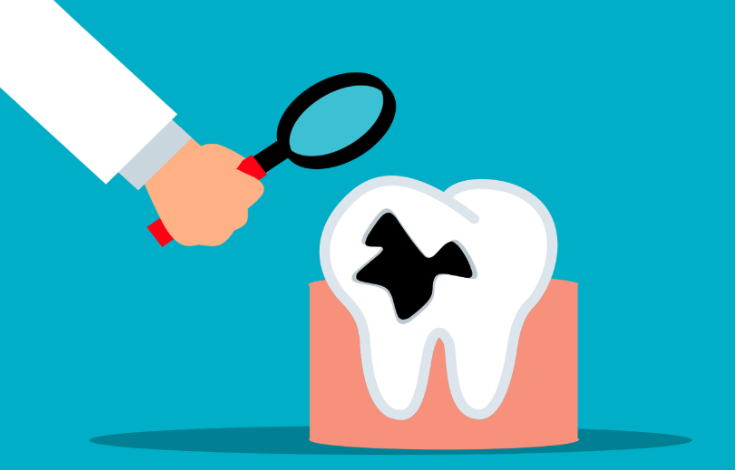
🔹 Early Stage (Enamel)
- Small white spots appear on the tooth surface
- May be hard to see, but the area looks slightly different when light hits it
- Occasional sensitivity to sweet foods
- Usually no pain yet
🔹 Moderate Stage (Dentin)
- Small holes or brown/black discoloration become visible
- Sensitivity or pain when eating sweet, cold, or hot foods
- Discomfort in a specific tooth may linger
🔹 Advanced Stage (Pulp/Nerve)
- Cavities become larger, and food often gets stuck
- Persistent, intense pain, sometimes even at night
- May require root canal therapy or crowns
2. What Causes Cavities in the First Place?
Several everyday habits can contribute to cavity formation, including:
- Frequent snacking or sugary drinks
- Not brushing thoroughly, allowing plaque to build up
- Dry mouth or reduced saliva flow
- Irregular oral hygiene routines or unhealthy habits
These factors often work together, creating the perfect conditions for decay.
3. Early Cavity Symptoms Checklist
Ask yourself:
- Do sweet or cold foods make your teeth hurt or feel sensitive?
- Do you notice discomfort in the same tooth again and again?
- Are there white spots or brown stains on your teeth?
- Can you see tiny pits or grooves, especially on front or back teeth?
👉 If you answered “yes” to any of these, it’s time to schedule a dental check-up. The earlier you act, the easier the treatment will be.
4. How Dentists Treat Early Cavities
Catching cavities early makes treatment fast and minimally invasive. Here are the most common options:
✅ 1. Non-Invasive Preventive Care (Before Damage Sets In)
- Fluoride Treatments – Strengthen enamel and help prevent further decay
- Sealants – Thin protective coatings for molars that block bacteria
- Healthy Habits – Brushing twice daily, flossing, and cutting back on sugar
These steps are quick, painless, and can make a big difference.
👇 Learn more about Dental Sealants
What Are Dental Sealants? The When, How, and Why Every Parent Should Know
Table of contents1. What Exactly Is a Dental Sealant? 2. Why Sealants Are a Big Deal 3. When Should Kids Get Sealants? 4. What the Sealant Process Looks Like 5. How Long Do Sealants Last? 6. Can Kids Eat Right After Sealants? 7. Caring for Teeth With Seala
lifehealingmaker.tistory.com
👇 Learn more about Fluoride Treatments
The Secret to Preventing Cavities? It’s Fluoride! The Real Benefits Explained by a Dentist
Table of contentsWhat Exactly Is Fluoride? Why Fluoride Matters Who Needs Fluoride the Most? Possible Side Effects What Are Professional Fluoride Treatments? Everyday Fluoride Products Fluoride by Age Fluoride Myths vs. Facts Healthy Habits + Fluoride = Be
lifehealingmaker.tistory.com
✅ 2. Small Fillings (When Tiny Holes Form)
- Resin Fillings – Tooth-colored material that blends in beautifully, even on front teeth
- Glass Ionomer (GI) Fillings – Release fluoride to help prevent future decay
The smaller the cavity, the simpler and more affordable the treatment.
👇 Learn more about Resin Fillings
Dental Resin Fillings: Do You Really Need One? Costs, Durability & Key Tips
Table of contentsWhat Is Resin? How Resin Treatment Works Pros of Resin Fillings Cons of Resin Fillings Frequently Asked Questions Aftercare Tips Final Thoughts--> If you’ve ever had a cavity or a small chip in your tooth, you might have heard your denti
lifehealingmaker.tistory.com
✅ 3. When Decay Goes Beyond the Early Stage
- Once decay reaches the dentin, resin alone may not be enough
- Larger cavities may need inlays or crowns
- Rapid progression can lead to the need for root canal treatment
Gold, PFM, or Zirconia Crowns: How to Choose the Right One Without Regret
Table of contents1. When You Might Need a Crown 2. Common Crown Types & How to Choose 3. The Crown Treatment Process 4. What to Watch Out for During Treatment 5. How to Make Your Crowns Last Longer 6. Frequently Asked Questions 7. Final Thoughts--> When a
lifehealingmaker.tistory.com
Considering an Inlay? Types, Benefits & Care Tips
Table of contentsWhat is an Inlay? When is an Inlay Needed? Inlay Procedure Comparison: Resin, Inlay, Onlay, Crown Longevity & Lifestyle Factors Inlay Types: Pros & Cons Benefits & Drawbacks of Inlays Tips for Aftercare Frequently Asked Questions (FAQ) Con
lifehealingmaker.tistory.com
👇 Learn more about Root Canal Treatments
Everything You Need to Know About Root Canal Treatment
Table of contents1. When Do You Need a Root Canal? 2. How the Root Canal Procedure Works 3. Aftercare Tips for a Smooth Recovery 4. Possible Side Effects & Complications 5. Final Thoughts --> If you’ve ever been told you need a root canal, you might have
lifehealingmaker.tistory.com
5. Why You Shouldn’t Ignore Early Cavities
Letting a cavity sit untreated can snowball into bigger problems:
- Progression to deeper decay, eventually reaching the nerve
- Higher treatment costs over time: Resin → Inlay/Crown → Root Canal
- Worsening pain — starting as mild sensitivity and turning into persistent toothache
- In severe cases, tooth loss or extraction may be necessary
👉 Bottom line: Treating cavities early is simple and cost-effective. Ignoring them only makes treatment more complicated, expensive, and painful.
6. Can Early Cavities Heal Naturally?
It’s a common question: “If it’s just starting, will my cavity heal on its own?”
Once enamel is damaged, it can’t fully regenerate, but you can slow or stop decay by:
- Using fluoride products regularly
- Brushing and flossing properly
- Improving your diet and cutting down on sugar
Still, the most reliable way to protect your teeth is with regular dental checkups.
7. FAQ: Your Cavity Questions Answered
Q. If there’s no pain, do I still need to treat early cavities?
➡ Yes. Early cavities can be completely painless but will continue to worsen without treatment.
Q. Is cavity treatment painful?
➡ If you treat it early, it’s usually quick and pain-free.
Q. Can resin be used for front teeth?
➡ Absolutely. Resin fillings match your natural tooth color, making them great for front teeth too.
8. Final Thoughts
Cavities are common, but they don’t have to turn into major dental problems.
By spotting the signs early, maintaining healthy oral habits, and visiting your dentist regularly, you can protect your smile without expensive or painful procedures later.
⚠️ Remember: Ignoring cavities doesn’t make them go away — it only makes things worse.
[충치 초기 증상과 치료법] 방치하면 큰 손해 봅니다!
목차(contents)1. 초기 충치의 단계와 증상 2. 초기 충치가 생기는 원인 3. 충치 초기 증상 체크리스트 4. 충치 초기 치료 방법 5. 초기 충치를 방치하면 생기는 문제들 6. 충치 예방과 자연 치유 가능
lifehealingmaker.tistory.com
'English > Dental Treatment Info' 카테고리의 다른 글
| Don’t Ignore That Groove Near Your Gums! (0) | 2025.10.24 |
|---|---|
| Grinding Your Teeth at Night? Discover the Shocking Damage It’s Causing! (0) | 2025.10.22 |
| Everything You Need to Know About Root Canal Treatment (0) | 2025.10.15 |
| Gold, PFM, or Zirconia Crowns: How to Choose the Right One Without Regret (0) | 2025.10.14 |
| What Are Dental Sealants? The When, How, and Why Every Parent Should Know (0) | 2025.10.13 |


